Credit in America Explained for Immigrants: A Complete Beginner Guide
Why Credit Matters More Than You Might Think
You made a big decision coming to the United States. You may have left behind a career, a home, a community — and a financial life you spent years building.
Then you arrive here and discover something that surprises many of us.
None of that history follows you.
In the United States, most of us start with little or no credit history. It does not matter how responsible you were with money back home, or whether you owned property, ran a business, or never missed a payment. When we arrive, the U.S. credit bureaus usually have no record of us.
We did everything right. But here, the system does not know we exist.
This guide explains what credit is, how credit reports and credit scores work, and why credit matters in everyday U.S. life.
What Is Credit?
Credit means borrowing money now and paying it back later.
When you use a credit card at a grocery store, you are borrowing money from a bank. When you take out a loan to buy a car, you are agreeing to pay that money back over time. When a landlord rents you an apartment without asking for full payment upfront, that is also a form of credit.
In the United States, many financial decisions involve credit. Companies called credit bureaus keep records of how people handle it.
That record is called your credit history.
Your credit history tracks:
- Whether you pay your bills on time
- How much money you have borrowed
- How many accounts you have opened
- Whether you have ever missed a payment
Scoring companies use the information in your credit report to calculate a number called a credit score.
What Is a Credit Score?
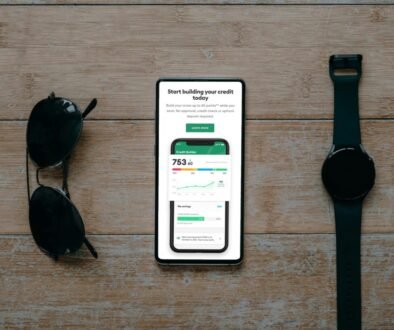
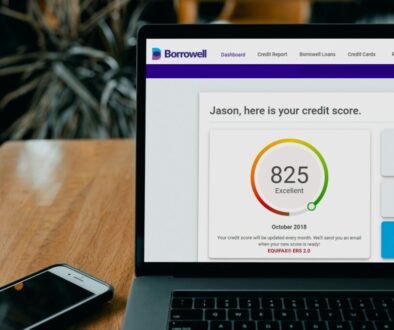
A credit score is a three-digit number that lenders use to estimate how likely you are to repay borrowed money.
There is more than one scoring model. The most widely known is the FICO Score. Another common model is VantageScore. Lenders may use different models and versions, so you can have more than one score.
FICO describes its base scores as ranging from 300 to 850, with these general categories:
| FICO Score range | Category |
|---|---|
| Below 580 | Poor |
| 580 – 669 | Fair |
| 670 – 739 | Good |
| 740 – 799 | Very Good |
| 800 and above | Exceptional |
These categories are only a general guide. Each lender sets its own standards for approval and pricing, and other scoring models may use different ranges or labels.
When we first arrive in the United States, many of us have no credit score at all. The CFPB uses the term credit invisible for people who have no credit record at a nationwide credit bureau. Having no score is not the same as having a bad score. It means there is not enough information yet.
That can make some applications harder, because many lenders and landlords look at credit before they decide.
Why Does America Use a Credit System?
When a bank lends money, it is taking a risk. It needs to believe the borrower will pay it back.
The credit system was built to help lenders make that decision. By tracking how people handle borrowed money over time, it creates a shared record that any lender can check.
Whether the system is fair is a bigger conversation. Understanding how it works can help you make good decisions within it.
What Affects a Credit Score
Each scoring model uses its own formula. FICO Scores generally consider factors such as:
- Payment history: whether you have paid past credit accounts on time. Late or missed payments can hurt your credit, so paying on time is one of the most important habits.
- Amounts owed: including how much of your available credit you are using, sometimes called credit utilization. For example, if your card limit is $1,000 and your balance is $800, you are using 80% of your limit. The CFPB notes that experts advise using no more than 30% of your total credit limit. Keeping balances low is generally better.
- Length of credit history: how long your accounts have been open. When we are new to the country, our accounts are new too. This part only grows with time.
- New credit: applying for credit can lead to a hard inquiry on your report. Opening several new accounts in a short time can affect your credit. Apply only when you need to.
- Credit mix: the types of credit you have, such as credit cards and loans. Borrow only what you need, not just to change your mix.
How much each factor matters can vary by scoring model and by a person’s individual credit profile, including for people who are new to credit.
Where Does This Information Come From?
Scores are calculated from your credit reports. There are three nationwide credit bureaus:
- Equifax
- Experian
- TransUnion
Each bureau keeps its own report on you, and the information may not be the same at each one. That is one reason your scores can differ.
You can get free credit reports from all three bureaus at AnnualCreditReport.com, the only website authorized to provide the free reports people are entitled to by law. According to the FTC, the three bureaus have permanently extended a program that lets you check your report from each bureau once a week for free there.
Check your reports regularly. If you find information that is wrong, you have the right to dispute it with the credit bureau.
How Credit Affects Your Daily Life
Credit is not only about loans. It can come up in many parts of life.
Renting a home. Many landlords check credit as part of a rental application. With no credit history, some may ask for a larger deposit or a co-signer, and some may say no.
Phone plans and utilities. Some companies check credit before offering certain plans or services, and may ask for a deposit if you have no history.
Car loans and other loans. Lenders often look at credit when deciding whether to approve a loan and what interest rate to charge.
Employment. The FTC explains that employers may check your credit history as part of a background check, but they must get your written permission first. Some cities and states limit what employers can ask about credit.
The Real Challenge: You Need Credit to Get Credit
Here is one of the most frustrating realities we encounter in America.
To build a credit history, you usually need credit accounts. But some lenders are hesitant to approve people with no history. This cycle can be hard to break when you are starting out.
We are not being punished for anything we did wrong. We are simply invisible to the system.
Understanding this helps you see it clearly instead of taking it personally. There are tools designed for people with little or no credit history.
A Note on ITIN and Credit
Many of us do not have a Social Security Number. Some of us have an Individual Taxpayer Identification Number (ITIN), which the IRS issues for federal tax purposes to people who are not eligible for a Social Security Number.
Some banks, credit unions, and lenders accept an ITIN when you apply for accounts or credit. Others require a Social Security Number. Requirements vary, so ask each institution before you apply.
Knowledge Is the First Step
The U.S. credit system can feel overwhelming at first. You now know what credit is, how credit reports and scores work, and why many of us start with no credit history.
To learn about common first steps, read our guide How Immigrants Can Build Credit in the United States.
The goal is not to master everything at once. It is to understand the system and make informed decisions over time.
Sources and official resources
- myFICO: How are FICO Scores calculated?
- myFICO: What is a FICO Score?
- CFPB: Who are the credit invisibles?
- CFPB: Building credit from scratch
- FTC: Free credit reports
- AnnualCreditReport.com: Free credit reports
- FTC: Employer background checks and your rights
- IRS: Instructions for Form W-7 (ITIN)
Financial rules and limits can change. This guide was reviewed using official sources in September 2026.
This guide is for educational purposes and is not individualized financial advice.
Continue learning
- How Immigrants Can Create Their First Budget in the United States (Step-by-Step)Learn the basic steps for listing your income and costs and building a first monthly budget.
- How Much Emergency Savings Do You Need?Learn how to set an emergency savings goal from your essential monthly costs, build it in stages, and where to keep it.