Best Credit Cards for People With No Credit History in the U.S.
If you have no credit history in the United States, getting approved for a credit card can feel impossible.
But some cards are built exactly for this situation — for people who are starting from zero. No prior U.S. credit required. Some don’t even require a Social Security Number.
In this guide, we break down the best credit cards you can realistically get approved for, how they work, and how to choose the right one for where you are right now.
Best Cards at a Glance
Best Overall: Discover it® Secured Credit Card Best for Low Deposit: Capital One Platinum Secured Credit Card Best for No SSN / ITIN Accepted: OpenSky® Secured Visa® Credit Card Best No Credit Check: OpenSky® Secured Visa® Credit Card Best for Rewards: Discover it® Secured Credit Card Best for Students: Deserve® EDU Mastercard for Students
How to Choose the Right Card
Before you apply, it helps to understand the basics.
Secured vs. Unsecured A secured card requires a deposit. That deposit becomes your credit limit. An unsecured card requires no deposit but is harder to get approved for with no credit history.
What beginners should prioritize:
- Low or no annual fee
- Reports to all three major credit bureaus (Equifax, Experian, TransUnion)
- Low deposit requirement
- Path to upgrade to a regular card later
If you have no credit history, start with a secured card. It is the most reliable way to build credit and get approved.
Quick Comparison: Best Credit Cards for No Credit History
| Credit card | Annual Fee | Security Deposit | Rewards | Approval | SSN / ITIN | Best For | Apply Now |
|---|---|---|---|---|---|---|---|
Discover it® Secured | $0 | $200 minimum | 2% gas & dining, 1% all else | Easy | SSN required | ⭐ Best overall + rewards | Apply Now |
Capital One Platinum Secured | $0 | $49–$200 | None | Easy | SSN required | Low deposit | Apply Now |
OpenSky® Secured Visa | $35/year | $200 minimum | None | Very Easy | ITIN accepted | No SSN / guaranteed approval | Apply Now |
Chime Credit Builder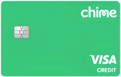 | $0 | Flexible | None | Very Easy | SSN required | No hard pull / flexible | Apply Now |
Self Credit Builder Account | $25 setup fee | No upfront | None | Easy | SSN required | No lump-sum deposit | Apply Now |
Petal® 1 Visa | $0 | None required | Merchant offers (2%–10%) | Moderate | SSN or ITIN | No deposit option | Apply Now |
Note: Card terms, fees, and features may change. Always verify current offers on the issuer’s official website before applying.
Top Picks Breakdown
Discover it® Secured Credit Card
Discover’s secured card is one of the most beginner-friendly options available. It earns real cashback rewards — rare for a secured card — and Discover automatically reviews your account after 7 months to see if you qualify to upgrade to an unsecured card.
- Annual fee: $0
- Minimum deposit: $200
- Rewards: 2% cashback at gas stations and restaurants (up to $1,000 in combined purchases per quarter); 1% on everything else
- Credit check: Yes — but you can pre-qualify with a soft pull that does not affect your score
Why it works for beginners: No annual fee, real rewards, and a clear path to graduating to a regular card.
Pros:
- No annual fee
- Earns cashback rewards
- Automatic account review for upgrade after 7 months
- Cashback Match in your first year (Discover matches all cashback earned)
Cons:
- Requires SSN
- Requires $200 minimum deposit
- Discover is accepted at fewer international merchants than Visa/Mastercard
Best for: Someone who has a Social Security Number, can afford a $200 deposit, and wants the best overall value.
👉 See Official Offer
Capital One Platinum Secured Credit Card
Capital One’s secured card stands out for its low deposit option. Depending on your creditworthiness, you may qualify for a $200 credit limit with only a $49 or $99 deposit — lower than most secured cards require.
- Annual fee: $0
- Minimum deposit: $49, $99, or $200 (based on your application)
- Rewards: None
- Credit check: Yes
Why it works for beginners: One of the only secured cards where your deposit may be lower than your credit limit.
Pros:
- No annual fee
- Possible credit limit higher than deposit
- Automatic credit line review after 6 months
- Widely accepted (Visa network)
Cons:
- No rewards
- Requires SSN
- Deposit still required
Best for: Someone who wants a low upfront deposit and no annual fee.
👉 See Official Offer
OpenSky® Secured Visa® Credit Card
OpenSky does not run a credit check at all. It also accepts ITIN in place of a Social Security Number. This makes it one of the most accessible cards available for immigrants and ITIN holders who are just getting started.
- Annual fee: $35
- Minimum deposit: $200
- Rewards: None
- Credit check: None
- SSN required: No — ITIN accepted
Why it works for beginners: No credit check and no SSN requirement makes this card available to almost anyone.
Pros:
- No credit check
- ITIN accepted
- Reports to all three major credit bureaus
- Fast approval process
Cons:
- $35 annual fee
- No rewards
- No path to upgrade to unsecured card
Best for: Someone with no SSN, no credit history, or who has been denied elsewhere.
👉 See Official Offer
Chime Credit Builder Secured Visa®
Chime’s Credit Builder card works differently from other secured cards. There is no minimum deposit requirement and no hard credit pull. Instead, you move money from your Chime spending account into your Credit Builder account, and that becomes your available balance.
- Annual fee: $0
- Deposit: Flexible — no minimum required
- Rewards: None
- Credit check: No hard pull
- Requirement: Must have a Chime spending account with qualifying direct deposit
Why it works for beginners: No fixed deposit, no hard inquiry, and no annual fee.
Pros:
- No annual fee
- No hard credit check
- No minimum deposit
- Flexible spending limit based on what you transfer
Cons:
- Requires a Chime bank account first
- Requires qualifying direct deposit to open Chime account
- No rewards
Best for: Someone who can set up a Chime account and wants maximum flexibility on their deposit.
👉 See Official Offer
Petal® 1 Visa
Petal 1 is an unsecured card — meaning no deposit required — designed specifically for people with limited or no credit history. Instead of relying only on your credit score, Petal looks at your banking history to make approval decisions. This makes it more accessible than most unsecured cards for beginners.
- Annual fee: $0
- Deposit: None required
- Rewards: 2%–10% cashback at select merchants
- Credit check: Yes
- SSN required: Yes
Why it works for beginners: No deposit and no annual fee on an unsecured card is rare at this level. Petal’s cash flow underwriting gives people with thin credit files a real chance at approval.
Pros:
- No deposit required
- No annual fee
- Cashback rewards at select merchants
- Uses bank account history for approval — helpful for those with no credit score
- Reports to all three major credit bureaus
Cons:
- Requires SSN
- Rewards only apply at select merchants, not all purchases
- Credit limit may start low
Best for: Someone with no credit history who has a U.S. bank account and wants an unsecured card with no deposit.
👉 See Official Offer
Self Credit Builder Account + Secured Visa®
Self works differently from all other cards on this list. You start by opening a credit builder loan — you make monthly payments into a savings account, and after building enough savings, you unlock a secured credit card. No upfront cash deposit is needed to get started.
- Annual fee: $25 one-time setup fee (for the loan account)
- Deposit: No upfront deposit — your savings become your security deposit
- Rewards: None
- Credit check: Soft check only
- SSN required: Yes
Why it works for beginners: Ideal for someone who cannot afford a lump-sum deposit but can make small monthly payments.
Pros:
- No lump-sum deposit required
- Builds credit through both a loan and a card
- Soft credit check only
- Reports to all three major bureaus
Cons:
- Requires SSN
- Monthly payments required to maintain the account
- Setup fee applies
- Takes several months before the card becomes available
Best for: Someone with no cash for a deposit who can commit to small monthly payments.
👉 See Official Offer
How to Apply: Step by Step
Step 1 — Know what ID you have Most secured cards require a Social Security Number. If you have an ITIN instead, OpenSky and some other issuers will accept it. If you are an international student, Deserve EDU may be your best option.
Step 2 — Open a U.S. bank account first Most card issuers require a U.S. bank account to fund your deposit and receive your card. If you do not have one yet, open a bank account before applying.
Step 3 — Choose the right card for your situation Use the comparison table and top picks above to match your situation to the right card. Do not apply for multiple cards at once.
Step 4 — Apply online All cards on this list can be applied for online. Have your ID, address, income information, and Social Security Number or ITIN ready.
Step 5 — Fund your deposit Once approved for a secured card, fund your deposit within the timeframe given by the issuer. Your credit limit will typically equal your deposit.
Step 6 — Use your card and pay on time Make small purchases. Pay your full balance every month. This is how your credit score grows.
How to Get Approved Faster
- Apply for one card at a time. Multiple applications in a short period create multiple hard inquiries, which can lower your score and signal risk to lenders.
- Start with a secured card if you have been denied elsewhere. Secured cards have the highest approval rates for beginners.
- Use accurate income information. Include all sources — part-time work, freelance income, scholarships, and financial support from family members count.
- Have your documents ready. SSN or ITIN, a valid ID, your U.S. address, and bank account information.
- Keep your deposit amount reasonable. Start with the minimum required — you can increase it later.
Secured vs. Unsecured: What You Need to Know
A secured card requires a cash deposit that becomes your credit limit. It is the standard starting point for people with no credit history. The deposit reduces the issuer’s risk, which is why approval rates are higher.
An unsecured card requires no deposit but is harder to get without an established credit history. Most beginners will not qualify for a strong unsecured card right away.
Why credit history matters: Every time you use your card and pay on time, the issuer reports that activity to the credit bureaus. Over time, those on-time payments build your credit score. A good credit score opens the door to better loans, lower interest rates, and more financial opportunities in the U.S.
Common Mistakes to Avoid
- Applying for too many cards at once. Each application creates a hard inquiry. Too many in a short period can lower your score before it even starts.
- Missing a payment. Payment history is the most important factor in your credit score. Even one missed payment can set you back months.
- Maxing out your card. Try to use no more than 30% of your credit limit at any time. Using too much of your available credit hurts your score.
- Choosing a card with high fees. Some cards marketed to beginners charge high annual, monthly, or processing fees. Always read the full fee schedule before applying.
- Closing your card too soon. Length of credit history matters. Keep your first card open, even after you qualify for better cards.
Frequently Asked Questions
Can immigrants get credit cards in the United States? Yes. Many credit cards are available to immigrants, including green card holders, visa holders, and ITIN holders. Requirements vary by card — some require an SSN, while others accept an ITIN.
Can I apply for a credit card with an ITIN instead of an SSN? Yes. Cards like the OpenSky® Secured Visa® accept an ITIN. Some banks and credit unions may also accept an ITIN for credit card applications.
How long does it take to build credit from zero? With consistent on-time payments and low utilization, most people begin to see a credit score established within 3 to 6 months. Building a strong score typically takes 12 to 24 months.
What if I get denied? Do not apply for another card immediately. Wait at least 30 to 60 days. Review the denial letter — issuers are required to tell you why you were denied. Then apply for a card with lower requirements, such as a no-credit-check secured card like OpenSky.
Will applying for a secured card hurt my credit score? Most secured card applications involve a hard credit inquiry, which may temporarily lower your score by a few points. Some cards — like Chime Credit Builder and Self — use a soft pull that does not affect your score.
How much should I deposit on a secured card? Start with the minimum required — usually $200. This gives you a credit limit to work with while keeping your cash available. You can increase your deposit later to raise your limit.
The Right Card Depends on Your Situation
- If you want the best overall value → Discover it® Secured
- If you want the lowest deposit possible → Capital One Platinum Secured
- If you have no SSN or have been denied elsewhere → OpenSky® Secured Visa®
- If you want flexibility with no fixed deposit → Chime Credit Builder
- If you are an international student with no SSN → Deserve® EDU Mastercard
- If you cannot afford a lump-sum deposit → Self Credit Builder
- If you are a beginner who wants no deposit and no annual fee → Petal® 1 Visa®
Start with one card. Use it for small, regular purchases. Pay the full balance every month.
That is how your financial life in the United States begins.
Related MARVODYN Guides
- How to Build Credit in the U.S. Without a Social Security Number
- Best Secured Credit Cards for Immigrants and ITIN Holders
- How to Open Your First Bank Account in America
Disclaimer: This page is for informational purposes only and does not constitute financial advice. Card terms, fees, rewards, and approval requirements are subject to change. Always review the official terms on each issuer’s website before applying. MARVODYN may receive compensation if you apply for a product through links on this page. This does not affect our editorial standards or the order in which products appear.