
Best Credit Cards for ITIN Holders in the United States
Many of us came to the United States without a Social Security Number. We pay taxes, earn income, and want to build a financial life here — but most credit card applications stop us at the first question.
The good news is that several major banks accept an Individual Taxpayer Identification Number, or ITIN, in place of a Social Security Number. This means we can apply for a real credit card, build a U.S. credit history, and start establishing the financial foundation that everything else depends on — apartments, car loans, mortgages, and more.
This guide compares the best credit cards that ITIN holders can realistically apply for in the United States, from cards with no credit check to cards that reward us for everyday spending.
| Credit Card | Annual Fee | Minimum Deposit | Rewards | Credit Check | Best For | Apply Now |
|---|---|---|---|---|---|---|
Discover it Secured | $0 | $200+ | 2% gas/restaurants, 1% everything + Cashback Match first year | Yes | Rewards + credit building | See Official Offer |
Capital One Platinum Secured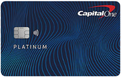 | $0 | $49–$200 depending on approval | None | Yes | Low upfront deposit | See Official Offer |
Petal 1 | $0 | None | Merchant offers up to ~10% | Soft + possible hard check | No deposit credit building | See Official Offer |
OpenSky Secured Visa | $0–$35 depending on version | $200+ | Limited rewards depending on version | No | No credit check approval | See Official Offer |
Chime Credit Builder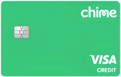 | $0 | Flexible deposit via Chime account | Occasional merchant promotions | No | Flexible secured credit building | See Official Offer |
Our Top Picks for ITIN Credit Cards
Best Overall: Discover it® Secured Credit Card Best Low Deposit: Capital One Platinum Secured Best No Deposit: Petal® 1 Visa Best No Credit Check: OpenSky® Secured Visa Best Flexible Secured Card: Chime Card™
Card Reviews
Discover it® Secured Credit Card
The Discover it® Secured is one of the strongest starter cards available to ITIN holders. It combines genuine credit building with real cash back rewards — which is rare at this entry level.
Annual Fee: $0
Minimum Deposit: $200 (refundable)
Rewards: 2% cash back at gas stations and restaurants (up to $1,000 in combined purchases each quarter), and 1% cash back on all other purchases. Discover automatically matches all cash back earned in the first year — effectively doubling our first-year rewards.
Why ITIN Holders Like This Card: Discover acknowledges on its own website that immigrants without SSNs may apply using an ITIN or alternative identification. The card requires no existing credit history.
Pros:
- No annual fee
- Real cash back rewards from day one
- Cashback Match doubles first-year earnings
- Automatic review for upgrade to unsecured card after seven months
- Reports to all three major credit bureaus
Cons:
- Requires a credit check
- Discover cards are less widely accepted outside the U.S.
- $200 deposit required upfront
Who This Card Is Best For: ITIN holders who want to build credit and earn rewards simultaneously, and who can comfortably set aside $200.
Capital One Platinum Secured Credit Card
Capital One is one of the most ITIN-friendly issuers in the country. The Platinum Secured is a no-frills option built for people starting their U.S. credit history from zero.
Annual Fee: $0
Minimum Deposit: As low as $49, $99, or $200, depending on creditworthiness. The initial credit line starts at $200 regardless of deposit amount.
Rewards: None. This card is focused entirely on credit building.
Why ITIN Holders Like This Card: Capital One accepts ITIN applications for this card online. The low minimum deposit makes it one of the most accessible entry points for those of us who cannot afford to lock away $200 upfront. Capital One also reviews the account after six months for a potential credit limit increase.
Pros:
- No annual fee
- Minimum deposit as low as $49
- ITIN accepted in online application
- Automatic credit limit review after six months
- No foreign transaction fee
- Reports to all three major credit bureaus
Cons:
- No rewards or cash back
- Requires a credit check
- Starting credit line is $200 regardless of deposit size
Who This Card Is Best For: ITIN holders who want the lowest possible upfront cost and simply need a card to get their U.S. credit history started.
Petal® 1 Visa® Credit Card
The Petal 1 is an unsecured card — no deposit required. Rather than relying only on credit history, Petal uses a “Cash Score” that evaluates bank account activity and income to assess applicants. This approach gives many immigrants a real shot at approval even without any U.S. credit history.
Annual Fee: $0 for the standard Petal 1 card
Minimum Deposit: None — this is an unsecured card
Rewards: Up to 10% cash back at select partner merchants. Everyday rewards vary depending on which version of the card is issued.
Why ITIN Holders Like This Card: Petal accepts ITIN in place of SSN for eligible applicants. Its alternative underwriting model — weighing income and banking behavior alongside credit history — gives immigrants an opening that most traditional issuers do not.
Pros:
- No security deposit required
- ITIN accepted
- No annual fee on the standard version
- Alternative approval process that considers banking history and income
- Reports to all three major credit bureaus
- Credit limit up to $5,000
Cons:
- Requires a credit check
- Approval is not guaranteed with limited credit history
- Three card versions exist; the version offered depends on the application review
Who This Card Is Best For: ITIN holders who have some banking history and verifiable income, and who want to avoid placing a deposit.
OpenSky® Secured Visa® Credit Card
OpenSky is one of the only cards that skips the credit check entirely. For those of us with no U.S. credit history and no existing credit score, this removes a major barrier.
Annual Fee: $35
Minimum Deposit: $200 (refundable), up to $3,000
Rewards: Limited cash back through OpenSky’s merchant rewards program
Why ITIN Holders Like This Card: OpenSky accepts both SSN and ITIN applications. Because there is no credit check, approval rates are exceptionally high — OpenSky reports an approval rate of approximately 89%. No existing bank account is required to fund the deposit, which can be paid by debit card, check, or money order.
Pros:
- No credit check required
- ITIN accepted
- Very high approval rate
- No bank account required to apply
- Flexible deposit from $200 to $3,000
- Reports to all three major credit bureaus
Cons:
- $35 annual fee
- 3% foreign transaction fee
- No clear upgrade path to an unsecured card
- Limited rewards program
Who This Card Is Best For: ITIN holders who have been denied elsewhere, have no credit history at all, or want the highest possible chance of approval.
Chime Card™ (Secured Visa® Credit Card)
The Chime Card — previously known as the Chime Credit Builder — is a secured card with a structure unlike most others. There is no fixed minimum deposit and no credit check. We open a Chime Checking Account, transfer money into a Secured Deposit Account, and that balance becomes our spending limit. This makes the card highly flexible for those of us who want to start small and stay in full control.
Annual Fee: $0
Minimum Deposit: No set minimum — spending limit is based on what we transfer into the Chime Secured Deposit Account
Rewards: Occasional merchant rewards and promotions; availability varies and may require qualifying direct deposit
Why ITIN Holders Like This Card: Chime accepts ITIN for account opening. There is no credit check, no interest charges, and no annual fee. The optional Safer Credit Building feature automatically pays the monthly balance on time — removing one of the most common credit mistakes entirely.
Pros:
- No annual fee
- No interest charges
- No credit check
- No fixed minimum deposit
- ITIN accepted
- Reports to all three major credit bureaus
- Safer Credit Building feature prevents missed payments automatically
Cons:
- Requires opening a Chime Checking Account first
- Spending is capped at the amount transferred into the account — not a traditional revolving credit line
- Rewards are limited and promotion-based
- No upgrade path to a traditional unsecured card
Who This Card Is Best For: ITIN holders who want to start building credit with zero risk of debt, no fees, and maximum flexibility over how much they put in.
How ITIN Holders Can Apply for a Credit Card
The process is more straightforward than many of us expect.
Step 1: Get an ITIN from the IRS. We apply by completing IRS Form W-7, providing proof of identity and foreign status, along with our federal tax return. Processing typically takes seven to eleven weeks. Applying through an IRS-authorized Certifying Acceptance Agent can speed up the process.
Step 2: Open a U.S. bank account. Most card issuers want to see some U.S. banking activity. Many banks also accept ITIN to open a checking or savings account, which is a natural first step.
Step 3: Apply using ITIN instead of SSN. We enter our ITIN in the SSN field on the application. The format is the same nine-digit structure. If the online form does not accept it, calling the issuer directly usually resolves the issue.
Step 4: Provide a passport or ID if requested. Some issuers may ask for a valid passport, national ID, or another government-issued document for identity verification. Having this ready avoids delays.
Step 5: Start with a secured card if needed. If an unsecured card is denied, a secured card is almost always the right next step. After six to twelve months of responsible use, many issuers will upgrade us to an unsecured card and return our deposit.
Tips to Build Credit Faster With an ITIN
Keep credit utilization under 30%. If our credit limit is $200, we should aim to keep our balance below $60 at any given time. High utilization can hurt our score even when we pay on time.
Pay the full balance every month. Paying only the minimum costs us money in interest and slows our credit growth. Paying the full balance keeps us out of debt and builds a clean payment history.
Keep the card active. Using the card at least once a month — even for a small purchase — gives the bureaus something positive to report each cycle.
Avoid applying for many cards at once. Each application triggers a hard inquiry on our credit report. Too many in a short period can lower our score. One card at a time, used well, is the smarter approach.
Monitor our credit score regularly. Several cards in this guide offer free credit score access. Checking our score monthly helps us understand our progress and catch any errors in our file before they cause problems.
Secured vs. Unsecured Cards for ITIN Holders
Most immigrants with no U.S. credit history will start with a secured card, and that is usually the right move.
A secured credit card requires a refundable deposit, typically $200 or more, which becomes our credit limit. Because the bank holds our money as collateral, approval is much easier — even with zero credit history. The Discover it Secured, Capital One Platinum Secured, and OpenSky Secured Visa are all secured cards.
An unsecured credit card requires no deposit. The bank extends a credit line based on income, credit history, and other factors. The Petal 1 uses alternative underwriting that gives immigrants with income but no credit history a better chance than most traditional issuers would.
The Chime Card sits in a unique position — technically secured, but structured so flexibly that it functions almost like a credit-building tool we fund ourselves.
Starting secured is not a step backward. It is how most of us build the credit history that eventually qualifies us for better cards, higher limits, and lower interest rates.
Frequently Asked Questions
Can I get a credit card with only an ITIN? Yes. Many banks allow applications using an ITIN instead of a Social Security Number. The issuers covered in this guide all accept ITIN as a form of identification.
Do banks verify immigration status when we apply? Generally, no. Card issuers verify identity and ability to repay — not immigration status. An ITIN, valid passport, and proof of income are typically sufficient to complete an application.
Does using an ITIN build a U.S. credit score? Yes. Credit bureaus track payment history using multiple identifiers including name, date of birth, address, and tax identification number — whether SSN or ITIN. When our card issuer reports to Experian, Equifax, and TransUnion, our credit file grows the same way as any other cardholder.
Can I upgrade from a secured card to an unsecured card later? Yes, with most issuers. Discover typically reviews accounts after seven months. Capital One reviews after six months. When upgraded, our deposit is returned and our credit limit usually increases. OpenSky does not currently offer an upgrade path, so if we start there, applying with another issuer after our score improves is a natural next step.
What happens to my credit history if I later receive a Social Security Number? Our credit file does not merge automatically. We need to contact each of the three major credit bureaus with documentation showing that both numbers belong to us. They can then combine our files so our full credit history carries forward.
Conclusion
Building credit as an ITIN holder in the United States is possible, and many of us have done it — starting with a single secured card and working up from there.
The right card depends on our situation. If we want rewards from day one, Discover it Secured is the strongest option. If we need the lowest upfront cost, Capital One Platinum Secured starts at $49. If we want to skip the deposit entirely, Petal 1 offers an alternative path for those with income and banking history. If we want the highest approval odds with no credit check, OpenSky is purpose-built for that. And if we want complete control and no risk of debt, the Chime Card lets us build credit with money we already have.
Start with one card. Use it consistently. Pay it on time. The credit history we build in our first year here will follow us for the rest of our financial lives in America.
This article is for educational purposes only. MARVODYN does not provide personalized financial advice. Card terms, fees, and eligibility requirements may change. Always review the issuer’s current terms before applying. Visit marvodyn.com for more guides on navigating the U.S. financial system as an immigrant.
Related MARVODYN Guides: