Best Money Transfer Apps for Immigrants in the United States (2026 Guide)
Every year, immigrants in the United States send hundreds of billions of dollars to family abroad. Most of that money travels through services that profit in ways most senders never see.
The transfer fee you pay is rarely the full story. The bigger cost is usually the exchange rate — the rate a service uses to convert your dollars into the currency your family receives. Services that advertise “zero fees” almost always make their profit here. The difference between a fair exchange rate and a padded one can mean $10, $20, or $30 on a single $300 transfer.
Every dollar lost to hidden fees is money your family never receives.
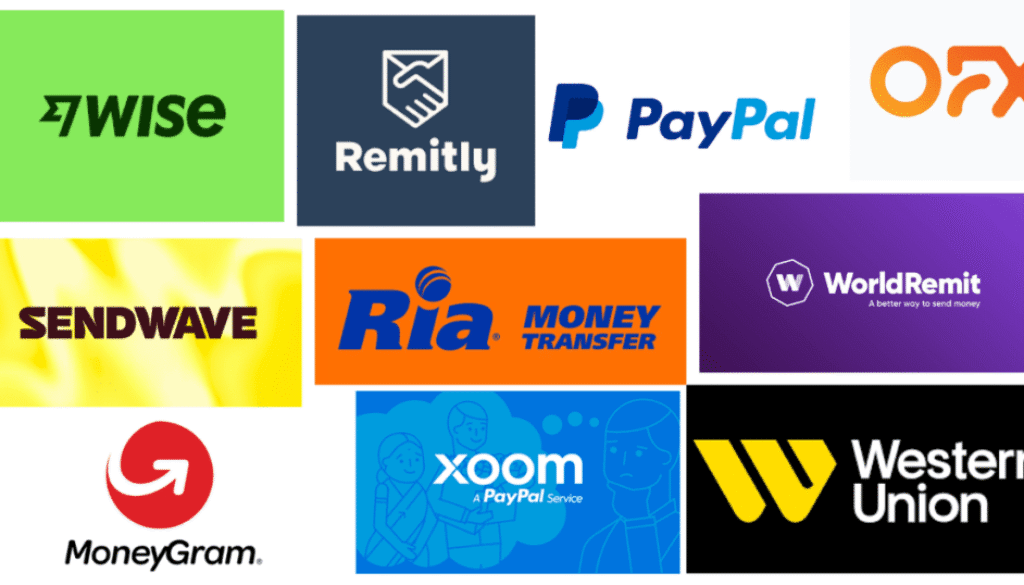
This guide cuts through that. We reviewed the 10 most widely used money transfer services available to immigrants in the United States. For each one, we explain who it is best for, what it costs in total, and when you should or should not use it.
Rates change daily — always check live rates before you send.
We regularly review transfer costs across all platforms to keep this guide accurate. No service paid for placement here.
BEST OVERALL PICKS (IF YOU WANT A FAST ANSWER)
Not sure where to start? Here are our top picks across the most common needs.
Best for lowest total cost → Wise
Best for speed → Remitly
Best for Africa and mobile money → Sendwave
Best for cash pickup worldwide → Western Union
Best for Latin America → Remitly
Best for large transfers → OFX
For a full side-by-side comparison of all major platforms, see: Best Money Transfer Apps for Immigrants in the United States.
THE TOP 10 MONEY TRANSFER APPS FOR IMMIGRANTS
#1 — Wise
Best for: Low fees and full transparency on every transfer
Wise is the most transparent money transfer service available in the United States. It uses the mid-market exchange rate — the same rate you see when you search on Google — and charges a small, clearly displayed fee on top. There are no hidden markups buried in the exchange rate.
For immigrants who send money regularly to bank accounts in India, the Philippines, Europe, Latin America, or Southeast Asia, Wise consistently delivers one of the lowest total costs available. It is not always the fastest option, but for senders who prioritize getting the most money to their family, it is the strongest starting point.
Strengths: Mid-market exchange rate. Transparent fee shown before you confirm. Broad country coverage. Multi-currency account available for frequent senders.
Weakness: Does not support cash pickup. Not always the best option for mobile money transfers to Africa. Transfers to some corridors take one to two business days.
Best use case: Regular bank-to-bank transfers where getting the most money to your recipient matters more than same-day speed.
#2 —Remitly
Best for: Fast transfers to family, especially in Asia and Latin America
Remitly is built for speed and simplicity. It offers two options on most transfers: Express, which typically delivers within hours, and Economy, which takes longer but costs less. This flexibility makes it one of the most practical services for immigrants who send money on a regular schedule.
It has strong coverage across the Philippines, India, Mexico, Guatemala, El Salvador, Honduras, Colombia, and Ecuador. The mobile app is available in Spanish and is simple to navigate for users who are not comfortable with financial technology.
Strengths: Two delivery speed options. Strong coverage in Asia and Latin America. Cash pickup available in many destinations. Spanish-language app.
Weakness: Exchange rate margins can be higher than Wise on some corridors. Always compare total cost — fee plus exchange rate — before sending.
Best use case: Sending to family in Latin America or Asia when speed matters, or when your recipient needs cash pickup rather than a bank deposit.
#3 —Sendwave
Best for: Transfers to Africa with no fees and fast mobile money delivery
Sendwave was built specifically for Africa. It charges no transfer fees and delivers directly to mobile money wallets — M-Pesa in Kenya, MTN Mobile Money in Ghana, Uganda, and Cameroon, and other networks across West and East Africa. Transfers typically arrive within minutes.
For immigrants sending money to recipients who use mobile wallets rather than bank accounts, Sendwave is the most efficient option available. It has limited country coverage outside Africa, but within its supported corridors it is consistently one of the lowest-cost services on the market.
Strengths: Zero transfer fees. Mobile money delivery in minutes. Designed for African corridors. Simple app.
Weakness: Limited coverage outside Africa. Not suitable for bank transfers in most other regions.
Best use case: Sending to family in Kenya, Ghana, Uganda, Cameroon, Senegal, or other supported African countries who receive money through a mobile wallet.
#4 —WorldRemit
Best for: Wide country coverage and flexible delivery options
WorldRemit supports more countries than most services on this list. It offers bank deposits, mobile money, cash pickup, and airtime top-up across over 130 destinations. This breadth makes it a strong option for immigrants sending to countries that are not well-served by more specialized services.
It is particularly useful for African destinations where Sendwave does not operate, and for senders who need a single platform that works across multiple countries — for example, someone with family in both Ghana and the Philippines.
Strengths: Very broad country coverage. Multiple delivery methods. Mobile money supported in many African countries. Reliable service history.
Weakness: Fees and exchange rate margins vary significantly by destination. Not always the lowest-cost option on major corridors where specialist services compete.
Best use case: Sending to destinations with limited service options, or when you need one platform that covers multiple countries reliably.
#5 —Western Union
Best for: Cash pickup in small towns and rural areas worldwide
Western Union has been moving money internationally for over 170 years. Its advantage is not price — it is reach. With more than 500,000 agent locations in over 200 countries, it has physical pickup points in towns and rural areas that digital services simply do not serve.
For immigrants whose family members do not have bank accounts or smartphones, and who live in areas where digital services are not accessible, Western Union remains an important option. That said, its fees and exchange rate margins are typically higher than digital-first services. Always compare the total cost before sending.
Strengths: Unmatched global agent network. Cash pickup available in nearly every country. Familiar and trusted by recipients worldwide. Fast delivery when needed.
Weakness: Higher fees and exchange rate margins compared to digital services. Not the most cost-efficient choice for recipients who have bank accounts or mobile wallets.
Best use case: Sending cash to recipients in rural areas, small towns, or countries where digital financial services are limited or unavailable.
#6 —MoneyGram
Best for: Cash pickup where Western Union coverage is limited
MoneyGram operates similarly to Western Union — it has a large global agent network and supports cash pickup in many countries. In some destinations, its agent coverage is stronger than Western Union’s, and its fees are occasionally more competitive.
For senders whose recipients cannot use digital services, MoneyGram is worth comparing directly against Western Union on any given transfer. The difference in total cost between the two can vary by corridor and by date.
Strengths: Large agent network with strong coverage in specific regions. Fast cash delivery. Available in over 200 countries.
Weakness: Fees and exchange rate margins are typically higher than digital services. Like Western Union, it is not the most cost-efficient choice for digitally accessible recipients.
Best use case: Cash pickup transfers, particularly in countries or regions where Western Union agent locations are inconveniently located for your recipient.
#7 —Xoom(by PayPal)
Best for: Immigrants who already use PayPal and send to India or Latin America
Xoom is owned by PayPal, and its main advantage is the seamless integration for PayPal account holders. Setup takes minutes if you already have a PayPal account. It supports bank deposits, cash pickup, and in some regions of India, home delivery of cash.
It has solid coverage across India, Mexico, Colombia, the Philippines, and parts of Central America. For senders who are already in the PayPal ecosystem, it removes friction. For those who are not, there are typically more cost-efficient options available.
Strengths: Smooth PayPal integration. Bank deposit, cash pickup, and home delivery options. Reliable and established service. Available in many key immigrant corridors.
Weakness: Exchange rate margins are moderate — not the lowest available. Best value is for existing PayPal users. Less competitive for senders who are not already in the PayPal system.
Best use case: Sending to India or Latin America when you already have a PayPal account and want a fast, familiar experience.
#8 — Ria
Money Transfer Best for: Cash pickup at a lower cost than Western Union or MoneyGram
Ria is one of the largest money transfer companies in the world, though it is less well known than Western Union or MoneyGram among first-time senders. It operates a large agent network across Latin America, Africa, Europe, and Asia, and its fees on cash pickup transfers are often lower than Western Union’s or MoneyGram’s on the same corridors.
For immigrants who need cash pickup but find Western Union too expensive, Ria is worth comparing directly. It also supports bank deposits in many countries.
Strengths: Large agent network in Latin America, Africa, Europe, and Asia. Often lower fees than Western Union or MoneyGram on cash pickup transfers. Bank deposit also available.
Weakness: Less familiar to recipients in some regions, which can occasionally cause confusion at pickup locations. Online experience less polished than digital-first services.
Best use case: Cash pickup transfers, particularly to Latin America, when you want to compare a lower-cost alternative to Western Union or MoneyGram.
#9 —OFX
Best for: Large transfers of $1,000 or more
OFX is designed for larger transfers. It charges no fixed transfer fee and offers competitive exchange rate margins, particularly on amounts above $1,000. The larger the transfer, the more clearly its advantage shows compared to services with flat fees.
It is not the right tool for small frequent transfers of $100 to $300. But for immigrants sending larger amounts — to support family, pay for education abroad, or transfer savings — OFX deserves a direct comparison against Wise.
Strengths: No fixed transfer fee. Competitive exchange rates on large amounts. Strong coverage for bank-to-bank transfers to Europe, Canada, Australia, and Asia.
Weakness: Not designed for small or frequent transfers. Fewer delivery options — primarily bank deposit only. Less useful for cash pickup needs.
Best use case: One-time or infrequent transfers of $1,000 or more to a bank account in Europe, Canada, Australia, or parts of Asia.
#10 —PayPal
Best for: Convenience when both sender and recipient already have accounts
PayPal is familiar to most people, and it works for international transfers between two account holders. It is fast, easy, and available in most countries. However, its exchange rate margins are typically higher than most other services on this list, which means your recipient receives less than they would through a service like Wise or Remitly on the same transfer.
PayPal is not the best choice for regular remittances where cost matters. It is acceptable for occasional transfers to people you know who already have PayPal accounts, when convenience outweighs cost.
Strengths: Extremely familiar. Fast between account holders. Available in most countries. Works for both personal and business transfers.
Weakness: Higher exchange rate margins than most specialized services. Fees for international transfers can add up. Not designed specifically for remittances.
Best use case: Occasional transfers to recipients who already have PayPal accounts, when speed and familiarity matter more than total cost.
HOW TO CHOOSE THE RIGHT MONEY TRANSFER SERVICE
Most people choose a service based on the transfer fee. This is a mistake.
The fee is only one part of the total cost. The exchange rate is often the larger part — and it is the part most services do not advertise clearly.
Here is how to think about it.
Fees versus exchange rates. When you send $300 to Mexico, a service converts your dollars into Mexican pesos. The rate they use is rarely the same as the mid-market rate (the fair rate you see on Google). The gap between the fair rate and the service’s rate is money the service keeps. A service that charges no fee but uses a padded exchange rate can cost you more than a service that charges a $4 fee but uses a fair rate. Always look at the total amount your recipient will receive, not just the transfer fee.
Speed versus cost. Faster transfers almost always cost more. Express or instant delivery options typically charge a higher fee or offer a worse exchange rate. If the transfer is not urgent, choosing the standard or economy delivery option saves money. For regular monthly transfers that are planned in advance, the slower option is almost always the right choice.
Bank transfer versus cash pickup. If your recipient has a bank account, bank deposit is typically the most cost-efficient delivery method. It is also the most secure. Cash pickup costs more to process and involves a physical agent location. Use cash pickup when your recipient does not have a bank account or when they are in an area without reliable digital financial access.
Before you send, compare at least two services. The difference in what your recipient receives can be significant. Always compare the amount received, not the fee paid.
BIGGEST MISTAKES TO AVOID WHEN SENDING MONEY
These mistakes cost immigrants real money every year. Knowing them puts you ahead.
Using your bank to send international transfers. Your bank can almost certainly wire money abroad. Most immigrants assume this is the safest or cheapest option. It is usually neither. Bank wire fees typically run $25 to $50 per transfer, and the exchange rate your bank applies usually includes a significant margin on top of that. For regular remittances, a dedicated transfer service will put meaningfully more money in your recipient’s hands.
Choosing a service based on the fee alone. As explained above, the transfer fee is not the total cost. A “free” transfer with a padded exchange rate frequently costs more than a $4 transfer with a fair rate. Always compare the total amount your recipient will receive.
Not comparing before every transfer. Rates and fees change regularly. A service that was cheapest last month may not be cheapest today. Spending two minutes comparing two or three services before each transfer can save you real money over the course of a year.
Ignoring the delivery method. A service’s fees and exchange rates vary depending on how your recipient receives the money. The same service may offer better rates for bank deposits than for cash pickup. Always select the delivery method first, then compare rates.
Sending urgently when it is not necessary. Express and instant transfers cost more. If you know your family will need money next week, sending today on a standard timeline costs less than waiting until the last minute and paying for speed.
Not checking what your recipient actually receives. The most important number in any transfer is not what you send — it is what arrives. Before you confirm any transfer, check the estimated amount your recipient will receive in their local currency. That number is the truth.
BEST MONEY TRANSFER APPS — COMPARISON TABLE
| Platform | Transfer Fee | Exchange Rate | Speed | Best For | Check Rates |
|---|---|---|---|---|---|
Wise | Low, transparent | Mid-market (best) | 1–2 business days | Lowest cost, bank transfers | Check Rates |
Remitly | Low to moderate | Moderate margin | Minutes to 1 day | Fast transfers, LatAm & Asia | Check Rates |
Sendwave | None | Competitive | Minutes | Africa, mobile money | Check Rates |
WorldRemit | Low to moderate | Moderate margin | MinutesMinutes to 2 days | Wide country coverage | Compare Options |
Western Union | Moderate to high | Higher margin | Minutes | Cash pickup, rural areas | Check Rates |
MoneyGram | Moderate to high | Higher margin | Minutes | Cash pickup alternative | Check Rates |
Xoom | Moderate | Moderate margin | Minutes to 1 day | PayPal users, India & LatAm | Check Rates |
Ria | Low to moderate | Moderate margin | Minutes to 1 day | Cheaper cash pickup | Check Rates |
OFX | None | Competitive | 1–2 business days | Large transfers ($1,000+) | Compare Options |
PayPal | Moderate | Higher margin | Minutes | Convenience, existing users | Check Rates |
Fees and rates change frequently. Always verify current pricing directly with each provider before sending.
FREQUENTLY ASKED QUESTIONS
What is the cheapest money transfer service for immigrants? For most bank-to-bank transfers, Wise offers the lowest total cost because it uses the mid-market exchange rate. For transfers to Africa through mobile money, Sendwave is often cheaper. For Latin America, Remitly’s Economy option is competitive. Always compare the total amount received, not just the listed fee.
Which service is best for sending money to the Philippines? Wise and Remitly are both strong options for the Philippines. Wise typically offers the best exchange rate for bank deposits. Remitly’s Express option is faster and also supports cash pickup through a broad agent network. Compare the total amount received on both before deciding.
Can I send money internationally without a Social Security Number? Some services accept an ITIN or a passport for identity verification. Others require an SSN. Requirements vary by service and may change. Confirm identification requirements directly with the provider before beginning the transfer process.
How do I know if I am getting a good exchange rate? Search the currency pair on Google — for example, “USD to PHP” — to see the current mid-market rate. Then compare that rate to what the transfer service offers you. The gap is the exchange rate margin the service is keeping. A gap of 0.5% or less is competitive. A gap of 2% or more is high.
Is it safe to send money through these apps? All services listed in this guide are licensed money service businesses regulated in the United States. They are required to meet federal compliance and consumer protection standards. Use each service through its official website or app only.
What happens if my transfer is delayed or does not arrive? All regulated services offer customer support and transfer tracking. If a transfer does not arrive within the estimated window, contact the service with your transaction reference number. Most services have clear processes for resolving delayed or failed transfers.
EXPLORE MORE ON MARVODYN
How Exchange Rates Work — And Why They Cost You Money
How to Avoid Hidden Fees When Sending Money Abroad
Wise vs. Remitly: Which Is Better?
Best Banks for Immigrants in the United States
How to Build Credit in the United States Without an SSN
DISCLAIMER
This guide is for informational purposes only. Transfer fees, exchange rates, and service availability change frequently. Always verify current rates and terms directly with each provider before sending. MARVODYN may receive compensation from some services listed. This does not influence our evaluations.