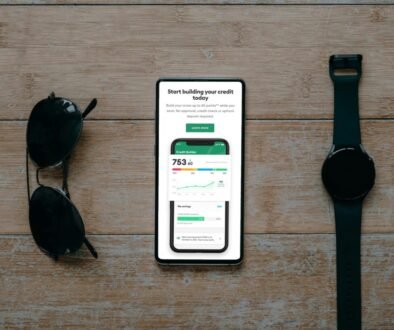
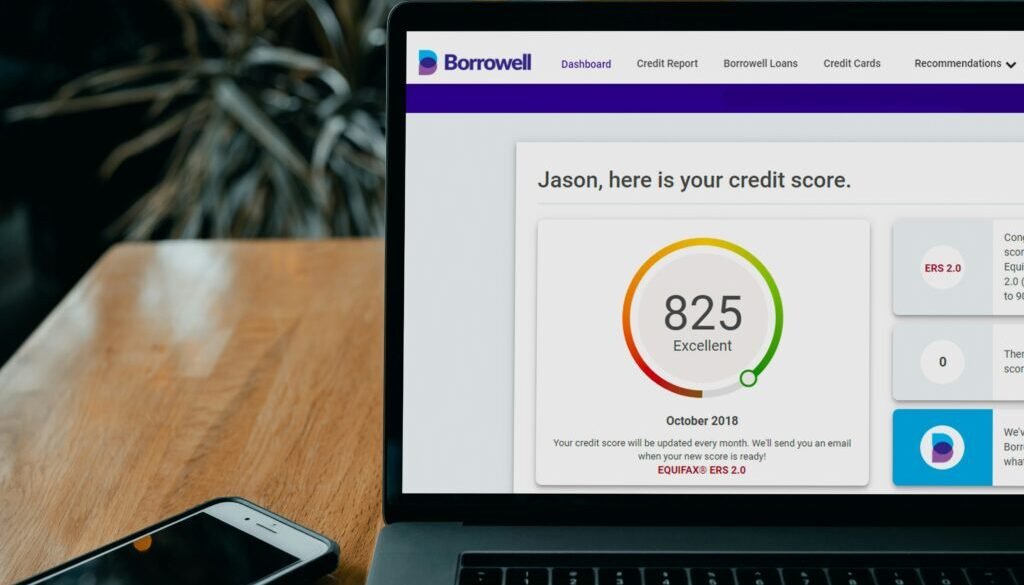
Best Credit Monitoring Services in the United States
If you are building credit in the U.S. for the first time, knowing your score is only half the picture.
You also need to know what is on your credit report, whether anything has changed, and whether someone is using your information without your permission.
That is what credit monitoring does. It watches your credit file and alerts you when something changes — so you can catch problems early and track your progress as your credit grows.
In this guide, we break down the best credit monitoring services available in the U.S., what they cover, and how to choose the right one for your situation.
Best Services at a Glance
Best Free Option: Credit Karma Best for Full Three-Bureau Monitoring: Experian IdentityWorks Best for Experian Data: Experian Free Credit Monitoring Best Paid Option: IdentityForce Best from a Bank: Chase Credit Journey Best for Immigrants and Newcomers: Credit Karma + Experian Free (combined)
Not Sure Which to Choose?
- Want free monitoring with no credit card required → Credit Karma
- Want all three bureaus monitored in real time → Experian IdentityWorks
- Want free Experian-specific monitoring → Experian Free
- Want the most comprehensive paid protection → IdentityForce
- Already bank with Chase → Chase Credit Journey
- Just starting to build U.S. credit → Credit Karma + Experian Free together
Featured Pick
⭐ Best Free Credit Monitoring: Credit Karma
- Completely free — no credit card required
- Monitors TransUnion and Equifax
- Updated weekly
- Shows full credit report with score factors
- Available to anyone with an SSN
👉 Sign Up Free
What Is Credit Monitoring and Why Does It Matter?
Credit monitoring is a service that tracks your credit file and alerts you when something changes.
Changes it can detect include:
- New accounts opened in your name
- Hard inquiries from lenders
- Changes to your credit score
- Late payment reports
- Public records such as bankruptcies
- Potential identity theft
For immigrants and people building credit from scratch, credit monitoring serves two purposes. First, it helps you track your progress — watching your score grow month by month as your payment history builds. Second, it protects you — alerting you if someone misuses your personal information before the damage becomes serious.
Both matter. But for newcomers, the tracking function is just as valuable as the protection function.
Free vs. Paid: What Is the Difference?
This is the first decision you need to make.
Free monitoring typically includes:
- Credit score updates (weekly or monthly)
- Single or dual bureau monitoring
- Basic alerts for major changes
- Credit report access
Paid monitoring typically adds:
- All three bureaus monitored simultaneously
- Real-time alerts
- Identity theft insurance — often $1 million or more
- Dark web monitoring
- Social Security number monitoring
- Dedicated identity restoration support
For most people building credit from zero: Free monitoring is enough to start. Credit Karma and Experian’s free service together cover three bureaus at no cost. A paid service makes sense when you have more to protect — established credit, financial accounts, or personal information you want actively watched.
Comparison Table
| Service | Cost | Coverage | Alerts | Best For | Action |
|---|---|---|---|---|---|
Credit Karma | Free | TransUnion + Equifax | Weekly | Best free option | Sign Up Free |
Experian Free | Free | Experian | Real-time | Free Experian alerts | Sign Up Free |
Chase Credit Journey | Free | TransUnion | Weekly | No SSN required | Sign Up Free |
| Experian IdentityWorks | $9.99–$19.99/mo | All 3 bureaus | Real-time | Full paid monitoring | Get Protection |
IdentityForce | $9.99–$19.99/mo | All 3 bureaus | Real-time | Most comprehensive protection | Get Protection |
myFICO | $19.95–$39.95/mo | All 3 bureaus | Real-time | Real FICO scores | View Plans |
Prices and features may change. Always verify current details on each provider’s official website.
Top Picks Breakdown
Credit Karma
Credit Karma is the most widely used free credit monitoring service in the United States. It monitors your TransUnion and Equifax credit files, updates your score weekly, and shows you exactly which factors are helping or hurting your credit. There is no credit card required and no hidden fees.
For someone building credit from scratch, Credit Karma is an excellent starting point. You can see your score change month by month as your payment history grows, and the platform explains in plain language why your score is where it is.
- Cost: Free
- Bureaus monitored: TransUnion and Equifax
- Score updates: Weekly
- Real-time alerts: No — weekly updates
- Identity theft insurance: No
- SSN required: Yes
Why it works: Free, simple, and genuinely useful for tracking credit progress. The score factor breakdown helps beginners understand exactly what to focus on.
Pros:
- Completely free — no credit card required
- Monitors two of three bureaus
- Weekly score updates
- Clear explanation of score factors
- Free tax filing and financial product recommendations included
- Mobile app available
Cons:
- Does not monitor Experian
- No real-time alerts
- No identity theft insurance
- Requires SSN
Best for: Anyone starting to build U.S. credit who wants free, easy-to-understand monitoring and score tracking.
👉 Sign Up Free
Experian Free Credit Monitoring
Experian offers its own free credit monitoring service that covers your Experian credit file specifically. It includes real-time alerts when new accounts are opened, hard inquiries are made, or personal information changes on your Experian report. Combined with Credit Karma — which covers TransUnion and Equifax — you get all three bureaus monitored at no cost.
- Cost: Free
- Bureaus monitored: Experian only
- Score updates: Monthly (FICO® Score 8)
- Real-time alerts: Yes — for Experian file changes
- Identity theft insurance: No
- SSN required: Yes
Why it works: Real-time Experian alerts at no cost. Paired with Credit Karma, this combination gives you full three-bureau coverage without paying anything.
Pros:
- Free
- Real-time alerts for Experian file changes
- Includes FICO® Score — the score most lenders actually use
- Easy to set up online
- No credit card required
Cons:
- Monitors Experian only
- No identity theft insurance
- Requires SSN
Best for: Anyone who wants to complete their free three-bureau coverage by pairing with Credit Karma.
👉 Sign Up Free
Experian IdentityWorks
Experian’s paid service upgrades free monitoring to full three-bureau coverage with real-time alerts, dark web scanning, and up to $1 million in identity theft insurance. It is one of the most recognized paid credit monitoring products available — backed directly by one of the three major credit bureaus.
- Cost: $9.99/month (Plus — one bureau) or $19.99/month (Premium — three bureaus)
- Bureaus monitored: All three (Premium plan)
- Score updates: Daily
- Real-time alerts: Yes
- Identity theft insurance: Up to $1 million
- SSN required: Yes
- Dark web monitoring: Yes (Premium)
Why it works: Direct access to Experian’s data means faster and more accurate alerts on your Experian file. The three-bureau Premium plan is one of the most complete monitoring packages available at its price point.
Pros:
- All three bureaus on Premium plan
- Real-time alerts
- Up to $1 million identity theft insurance
- Dark web and SSN monitoring
- Daily credit score updates
- Backed by a major credit bureau
Cons:
- Requires SSN
- Premium plan costs $19.99/month — adds up over time
- Plus plan only covers one bureau — limited value at that price
- Free version covers more than many people realize
Best for: Someone who wants comprehensive paid protection with real-time alerts across all three bureaus.
👉 See Official Offer
IdentityForce
IdentityForce is one of the most comprehensive identity protection and credit monitoring services available in the U.S. It goes beyond standard credit monitoring to include social media monitoring, dark web scanning, court records monitoring, and dedicated U.S.-based identity restoration specialists if something goes wrong.
- Cost: $19.99/month (UltraSecure) or $23.99/month (UltraSecure+Credit)
- Bureaus monitored: All three (UltraSecure+Credit plan)
- Score updates: Daily
- Real-time alerts: Yes
- Identity theft insurance: Up to $1 million
- SSN required: Yes
- Dark web monitoring: Yes
Why it works: The most complete protection package on this list. For someone with established credit, financial accounts, or significant personal data to protect, IdentityForce offers a level of coverage that basic monitoring services cannot match.
Pros:
- All three bureaus monitored
- Real-time alerts
- Up to $1 million identity theft insurance
- Social media and dark web monitoring
- Court records and change of address monitoring
- U.S.-based restoration specialists
Cons:
- Most expensive option on this list
- Requires SSN
- May be more than necessary for someone just starting to build credit
- UltraSecure plan does not include credit monitoring — must choose higher tier
Best for: Someone with established credit and financial accounts who wants the most comprehensive protection available.
👉 See Official Offer
Chase Credit Journey
Chase Credit Journey is a free credit monitoring service available to everyone — not just Chase customers — and notably does not require a Social Security Number to sign up. It monitors your TransUnion credit file and provides weekly score updates using the VantageScore model.
For immigrants and newcomers who do not yet have an SSN, Chase Credit Journey is one of the only free monitoring services accessible without one.
- Cost: Free
- Bureaus monitored: TransUnion
- Score updates: Weekly
- Real-time alerts: Yes — for certain TransUnion changes
- Identity theft insurance: No
- SSN required: No
Why it works: One of the only free credit monitoring services that does not require an SSN. Accessible to ITIN holders and newcomers who are just beginning to establish a U.S. financial identity.
Pros:
- Completely free
- No SSN required — accessible to more immigrants and newcomers
- Weekly score updates
- Real-time alerts for TransUnion changes
- Available to non-Chase customers
- Simple, clean interface
Cons:
- Monitors TransUnion only
- No identity theft insurance
- VantageScore — not the FICO score most lenders use
- Limited depth compared to paid services
Best for: Immigrants and newcomers without an SSN who want to begin monitoring their credit file as soon as it is established.
👉 See Official Offer
myFICO
myFICO is the only monitoring service on this list run directly by the company that created the FICO score — the score used by the majority of U.S. lenders when making credit decisions. It provides access to your FICO scores from all three bureaus, along with score simulations that show how specific actions — paying off debt, opening a new account — would affect your score.
- Cost: $19.95/month (Basic) or $39.95/month (Premier)
- Bureaus monitored: All three
- Score updates: Monthly (Basic) or quarterly (Premier)
- Real-time alerts: Yes
- Identity theft insurance: Up to $1 million
- SSN required: Yes
- Score simulator: Yes
Why it works: The only service that gives you the actual FICO scores lenders use — across all three bureaus — along with tools to simulate how your financial decisions affect those scores.
Pros:
- Official FICO scores from all three bureaus
- Score simulator — see impact of financial decisions before making them
- Real-time alerts
- Up to $1 million identity theft insurance
- Most accurate representation of what lenders actually see
Cons:
- Most expensive ongoing cost on this list
- Requires SSN
- Score update frequency lower than some competitors at base tier
- May be more than necessary for someone just starting to build credit
Best for: Someone who wants to see the exact FICO scores lenders use and simulate how their financial decisions affect those scores.
👉 See Official Offer
How to Get Started: Step by Step
Step 1 — Start with free monitoring If you are new to the U.S. credit system, begin with Credit Karma and Experian Free. Together they cover all three bureaus at no cost.
Step 2 — Add Chase Credit Journey if you do not have an SSN Chase Credit Journey does not require an SSN. Sign up to begin monitoring your TransUnion file as soon as your credit history starts to form.
Step 3 — Check your credit report annually for free Visit AnnualCreditReport.com — the official government-authorized site — to access your full credit report from all three bureaus at no cost. Review it for errors or unfamiliar accounts.
Step 4 — Dispute errors immediately If you find incorrect information on your credit report — wrong accounts, incorrect payment history, unfamiliar inquiries — dispute it directly with the bureau that shows the error. Errors can be removed and can significantly improve your score.
Step 5 — Upgrade to paid monitoring when you have more to protect Once you have established credit, financial accounts, and more personal data in the system, consider upgrading to a paid service with identity theft insurance and real-time three-bureau alerts.
What to Do If You Suspect Identity Theft
If your credit monitoring service alerts you to something suspicious — a new account you did not open, an inquiry you did not authorize, or a change you do not recognize — act immediately.
Step 1 — Place a fraud alert. Contact any one of the three credit bureaus to place a fraud alert on your file. They are required to notify the other two. A fraud alert makes it harder for someone to open new accounts in your name.
Step 2 — Consider a credit freeze. A credit freeze prevents new credit from being opened in your name entirely. It is free at all three bureaus and is the strongest protection available. You can lift it temporarily when you need to apply for credit.
Step 3 — Report to the FTC. File a report at IdentityTheft.gov — the official U.S. government identity theft reporting site. The site walks you through a personalized recovery plan.
Step 4 — Contact your card issuers and banks. Notify any financial institution where you have accounts. They can freeze accounts, issue new cards, and flag suspicious activity.
Common Mistakes to Avoid
- Assuming free means incomplete. Credit Karma and Experian Free together cover all three bureaus at zero cost. Free monitoring is genuinely sufficient for most people starting out.
- Ignoring alerts. A credit monitoring alert is only useful if you act on it. Check every alert — even ones that seem minor.
- Checking your score too obsessively. Your score fluctuates week to week based on utilization and reporting cycles. Focus on the trend over months, not the number week to week.
- Confusing VantageScore with FICO. Most free services show a VantageScore. Most lenders use FICO. The two are similar but not identical. Your FICO score is what matters most for loan and card applications.
- Not checking AnnualCreditReport.com. Monitoring services track changes but may not catch everything in your full report. Review your complete report at least once per year.
Frequently Asked Questions
Is credit monitoring free? Yes — several strong options are completely free. Credit Karma monitors TransUnion and Equifax at no cost. Experian monitors your Experian file for free. Chase Credit Journey monitors TransUnion for free and does not require an SSN.
Do I need to pay for credit monitoring? For most people starting to build credit, free monitoring is enough. Paid services add value primarily through real-time three-bureau alerts, identity theft insurance, and dark web monitoring — useful once you have more established credit to protect.
Can I monitor my credit without an SSN? Yes. Chase Credit Journey does not require an SSN to sign up. It is one of the only free monitoring services accessible to immigrants and newcomers who do not yet have a Social Security Number.
Will checking my own credit score hurt my score? No. Checking your own credit score is always a soft inquiry and never affects your score. Only hard inquiries — from lenders when you apply for credit — affect your score.
What is the difference between VantageScore and FICO? Both are credit scoring models. FICO is used by approximately 90% of U.S. lenders when making credit decisions. VantageScore is used by most free monitoring services including Credit Karma. The scores are usually similar but can differ by 20 to 50 points. For the most accurate picture of what lenders see, use myFICO.
How often should I check my credit? Check your score monthly through a free service. Review your full credit report — at AnnualCreditReport.com — at least once per year. If you suspect identity theft, check immediately.
What is a credit freeze and should I use one? A credit freeze locks your credit file so no new credit can be opened in your name. It is free and does not affect your credit score. It is the strongest protection against identity theft. If you are not actively applying for credit, a freeze is worth considering.
The Right Service Depends on Your Situation
- If you want the best free option → Credit Karma
- If you want free Experian monitoring → Experian Free
- If you want all three bureaus free → Credit Karma + Experian Free together
- If you have no SSN → Chase Credit Journey
- If you want paid three-bureau monitoring → Experian IdentityWorks Premium
- If you want the most comprehensive paid protection → IdentityForce
- If you want official FICO scores from all three bureaus → myFICO
Start free. Monitor consistently. Act on every alert.
That is how you protect what you are building.
Related MARVODYN Guides
- Best Credit Builder Loans in the United States
- Best Secured Credit Cards for Building Credit in the U.S.
- How to Build Credit in the U.S. Without a Social Security Number
Disclaimer: This page is for informational purposes only and does not constitute financial advice. Service features, pricing, and availability are subject to change. Always review the official terms on each provider’s website before signing up. MARVODYN may receive compensation if you sign up for a service through links on this page. This does not affect our editorial standards or the order in which products appear.